

Meet Stephen Martin, NP, at Mediworks Rejuvenation Centre and Drip Lounge in South Surrey, BC
Meet Stephen Martin, NP, at Mediworks Rejuvenation Centre and Drip Lounge in South Surrey, BC. With more than a decade of experience in primary care and Indigenous health, Stephen provides evidence-informed, patient-centred care with a focus on men’s health, hormone optimization, chronic disease management, and preventive wellness. His approachable and collaborative style helps patients receive personalized care designed to support better energy, long-term health, and overall quality of life. For more information, contact us or book an appointment online. We are conveniently located at Unit #103 – 15222 32nd Avenue Diversion, Surrey, BC V3Z 0R8, Canada.
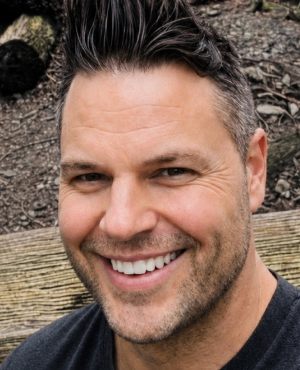

Stephen Martin, NP
Table of Contents:
Who is Stephen Martin, NP?
What is Stephen Martin, NP’s approach to patient care?
What areas of healthcare does Stephen Martin, NP focus on?
Does Stephen Martin, NP provide testosterone replacement therapy?
How does Stephen Martin, NP evaluate patients for TRT?
Why does Stephen Martin, NP require bloodwork before TRT?
Does Stephen Martin, NP assess reversible causes of low testosterone?
How does Stephen Martin, NP determine whether TRT is appropriate?
How does Stephen Martin, NP check for TRT contraindications?
How does Stephen Martin, NP monitor patients after starting TRT?
Why choose Stephen Martin, NP for men’s hormone care?
Stephen Martin is a Nurse Practitioner with more than a decade of experience in primary care and Indigenous health. He is committed to providing comprehensive, patient-centred care that considers each patient’s symptoms, medical history, lifestyle, and long-term health goals.
Stephen currently practices full-time in British Columbia and has extensive experience offering both in-person and virtual care. At Mediworks Rejuvenation Centre and Drip Lounge, his clinical interests include men’s health, chronic disease management, hormone optimization, and preventive medicine.
Stephen follows an evidence-informed and individualized approach to healthcare. He believes that effective care begins with taking the time to understand each patient’s concerns, symptoms, health history, and personal goals.
Rather than using a one-size-fits-all treatment plan, Stephen develops recommendations based on clinical findings, laboratory results, and the patient’s overall health. His goal is to provide care that is safe, effective, practical, and sustainable.
Stephen has a particular interest in men’s health, hormone optimization, chronic disease management, preventive medicine, low energy, and overall wellness. He works with patients who want to better understand their health and address concerns that may be affecting their daily lives.
His approach includes careful assessment, appropriate testing, individualized treatment planning, and ongoing monitoring. Stephen aims to help patients improve their health, energy, and quality of life through thoughtful and collaborative care.
Stephen provides consultations for male patients who may be experiencing symptoms associated with testosterone deficiency. He does not recommend testosterone replacement therapy based on symptoms alone.
TRT may be considered when a patient has clinically significant symptoms together with confirmed low morning testosterone levels. Stephen completes a detailed consultation, orders appropriate bloodwork, and reviews the results before determining whether treatment may be suitable.
Stephen begins the evaluation with an in-depth consultation. He reviews the patient’s symptoms, medical history, current medications, lifestyle, existing health conditions, and treatment goals.
He may ask about concerns such as persistent fatigue, reduced libido, mood changes, decreased strength, difficulty maintaining muscle mass, or changes in overall well-being. Appropriate laboratory testing is then ordered to assess morning testosterone levels and other relevant health markers.
Stephen reviews the symptoms and laboratory findings together before deciding whether the patient meets the clinical criteria for TRT.
Bloodwork is essential for determining whether a patient has low testosterone levels and whether those findings are consistent with their symptoms. Testosterone levels can change throughout the day, which is why morning testing is commonly used during the evaluation process.
Stephen does not rely on a single symptom or laboratory result when making a treatment decision. He considers the patient’s full clinical picture and may recommend additional testing when necessary.
This careful process helps ensure that TRT is only considered when it is medically appropriate and can be monitored safely.
Yes. Stephen evaluates patients for potentially reversible factors that may contribute to low testosterone levels or symptoms that resemble testosterone deficiency.
Low energy, poor sleep, high stress, certain chronic health conditions, changes in weight, and lifestyle factors may influence hormone levels and overall well-being. These concerns should be assessed before beginning hormone therapy.
By identifying possible underlying causes, Stephen can recommend a more complete and appropriate care plan based on the patient’s individual health needs.
Stephen considers TRT when a patient has clinically significant symptoms of testosterone deficiency together with confirmed low morning testosterone levels.
He also reviews the patient’s medical history, laboratory findings, medications, health risks, and treatment goals. Potentially reversible causes are assessed, and Stephen ensures that there are no contraindications that could make treatment unsuitable.
TRT is recommended only when the clinical findings support treatment and the patient can participate in regular follow-up and ongoing monitoring.
Before starting TRT, Stephen carefully reviews the patient’s health history, laboratory results, existing medical conditions, medications, and individual risk factors.
This assessment helps identify any concerns that may make testosterone therapy inappropriate or require further evaluation. Additional testing or consultation may be recommended when necessary.
Stephen’s priority is to ensure that any proposed treatment is medically appropriate, carefully monitored, and based on the patient’s overall health.
Patients who begin TRT require regular follow-up and ongoing monitoring. Stephen reviews symptoms, treatment response, laboratory findings, overall health, and any possible side effects.
Monitoring helps determine whether treatment is producing meaningful benefits and whether any adjustments are required. It also supports the safe and responsible use of hormone therapy over time.
Stephen works collaboratively with each patient to ensure that treatment remains appropriate, effective, and aligned with their long-term health goals.
Stephen combines more than a decade of clinical experience with an approachable, evidence-informed, and patient-centred style of care. He takes time to understand each patient’s concerns and avoids recommending treatment without a complete assessment.
At Mediworks Rejuvenation Centre and Drip Lounge, Stephen provides detailed consultations, appropriate laboratory testing, personalized treatment planning, and ongoing monitoring.
His collaborative approach is focused on helping eligible patients improve their energy, overall health, and quality of life while building a long-term partnership in care.




 How May I Help You?